
The Rising Tension of Youth Football
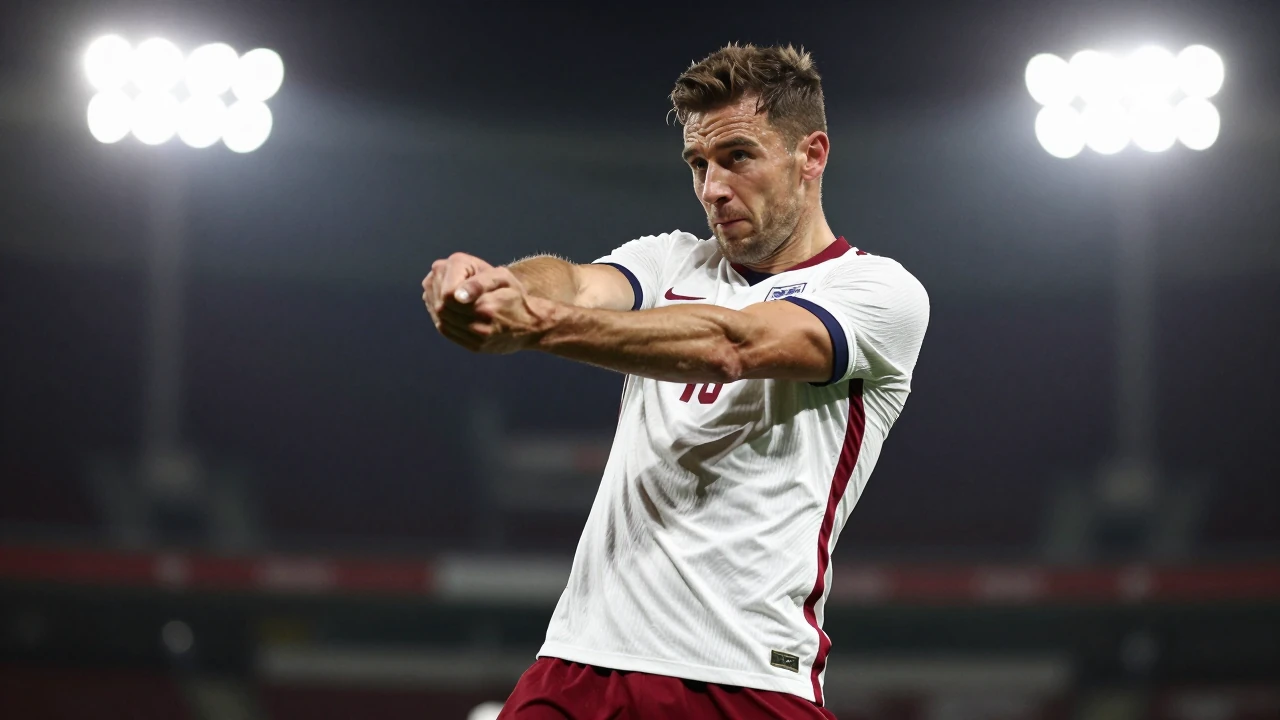
In a compelling clash that brought together two nations with distinct footballing philosophies, U20 Iraq faced off against U20 England. This match wasn't just about the score; it was a showcase of the raw passion and electric pace that youth football can offer. The encounter provided a platform for young talents to demonstrate their skills, setting the stage for future international competitions.
The stakes were high as both teams sought to assert their dominance on the field. With Iraq known for their flair and creative play, and England bringing their trademark resilience and tactical discipline, fans were treated to a battle that spoke volumes about the future landscape of football.
Tactical Breakdown
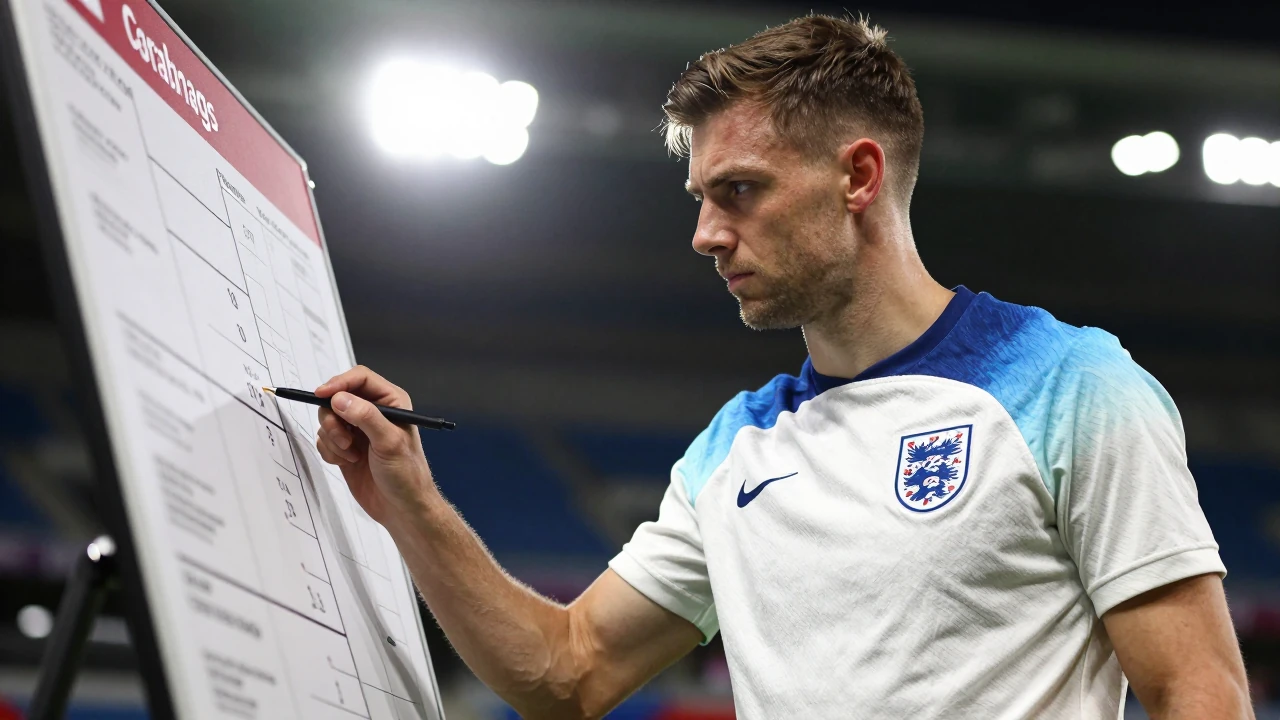
Head coach Ian Foster opted for a fluid formation, allowing England's young stars to exploit their attacking prowess. The Three Lions lined up in a 4-3-3 formation, enabling them to control possession and press high, particularly in the midfield. This tactical choice was evident early on, with players like Cole Palmer and Emile Smith Rowe pushing forward to create scoring opportunities.
Conversely, Iraq set up in a more compact 4-2-3-1 formation, focusing on quick counter-attacks. Their ability to switch from defence to attack caught England off guard at times, showcasing the unpredictability of their play. With players like Mohammed Dawood leading the line, Iraq demonstrated their knack for finding space in tight situations, making for a tense encounter.
Key Tactical Points:
- England's high press aimed to disrupt Iraq’s build-up play.
- Iraq's counter-attacks were rapid, creating significant chances.
- Midfield battles were crucial, with both sides vying for control.
- Set pieces became a focal point for both teams, leading to potential game-changing moments.
What it Means for England
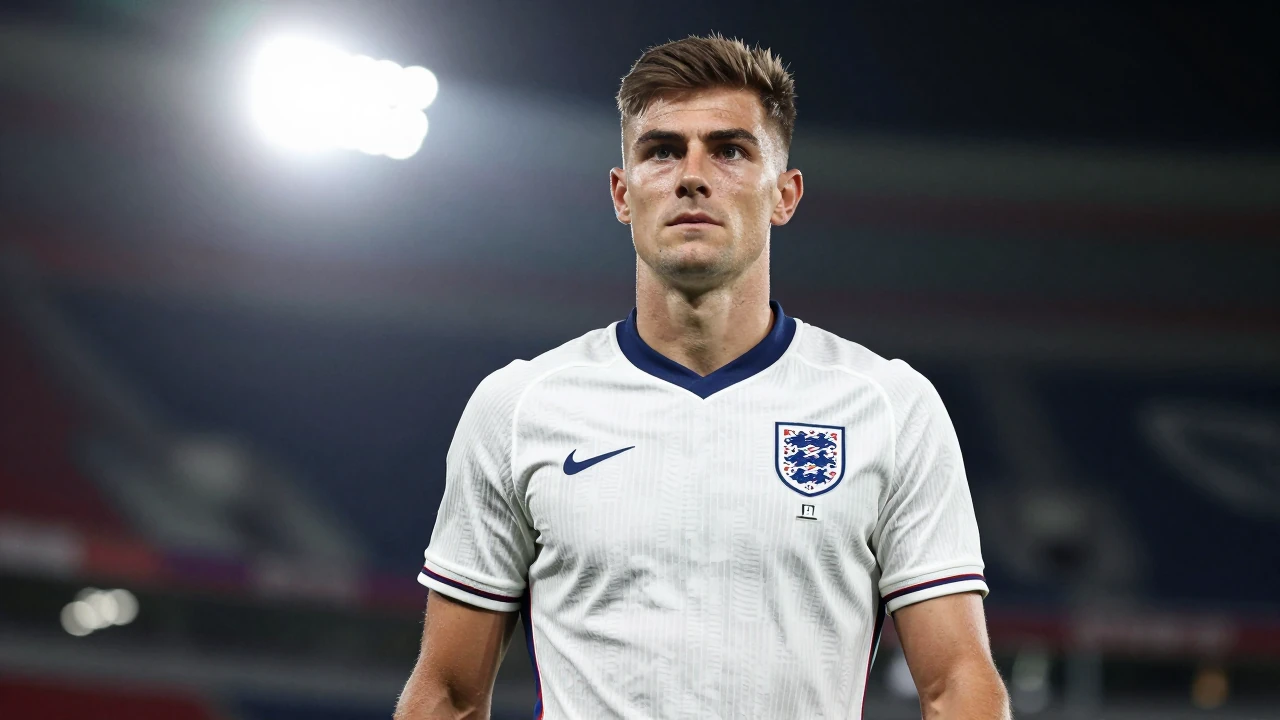
The performance by the U20 squad is a critical indicator of England's commitment to nurturing young talent. Their ability to adapt and respond to Iraq's tactical approach shows a maturity that bodes well for the future. Players like James McAtee and Harvey Elliott are emerging as key figures, not just for the youth setup but potentially for the senior squad in upcoming tournaments.
Fans can take heart from the opportunities created by this young side. The chemistry displayed between the players points towards a bright future, especially as the team prepares for the next FIFA World Cup in 2026. If this match is any indication, England's youth teams are set to play a pivotal role in the national team's future success.
The Wider Championship Picture
This match forms part of a larger narrative in youth competitions, where nations are increasingly investing in their academies. England has a rich history of nurturing talent, and this U20 squad reflects that ethos. With the recent success of the senior team in international competitions, the focus on youth development is more crucial than ever.
Iraq, on the other hand, has been steadily improving their footballing infrastructure, aiming to compete on the world stage. Their performance against England is a testament to their progress. The Middle Eastern side is working hard to develop players who can compete with European powerhouses, making them a team to watch in upcoming tournaments.
Fan Reaction and Outlook
Fans across both nations were vocal in their support, bringing an electric atmosphere that highlighted the importance of youth football. Social media was abuzz with reactions, as highlights of stunning plays and near-misses circulated among fans.
- England supporters praised the tactical awareness of their young players.
- Iraqi fans celebrated their team's resilience and creativity.
- Comments highlighted the potential for future match-ups between the two sides.
- Many fans expressed optimism about the future of their respective teams, noting the bright stars emerging from this match.
Opposing Viewpoint
Critics will argue that while England's U20 squad showed glimpses of quality, they still need to refine their game against teams that play with the flair seen from Iraq. Sceptics point out that reliance on individual talent could hinder team cohesion in high-pressure situations. The flip side is that this match serves as a learning experience, one that could help the young players grow into more cohesive units.
What's Next
Looking ahead, England's U20 team will need to build on this experience as they prepare for their next set of fixtures. The lessons learned against Iraq will be invaluable, especially as they gear up for more competitive matches. Fans should keep an eye on the development of standout players like Sam Greenwood and Marc Guehi, who are likely to play crucial roles in upcoming tournaments.
As for Iraq, their performance indicates a strong foundation for future competitions. They’ll aim to continue their development and refine their style as they prepare to face off against other strong teams on the international stage. The next few years could see both nations making significant strides in youth football, shaping a new generation of stars.