Tactical Tweaks for England: Maximizing Potential Before the World Cup
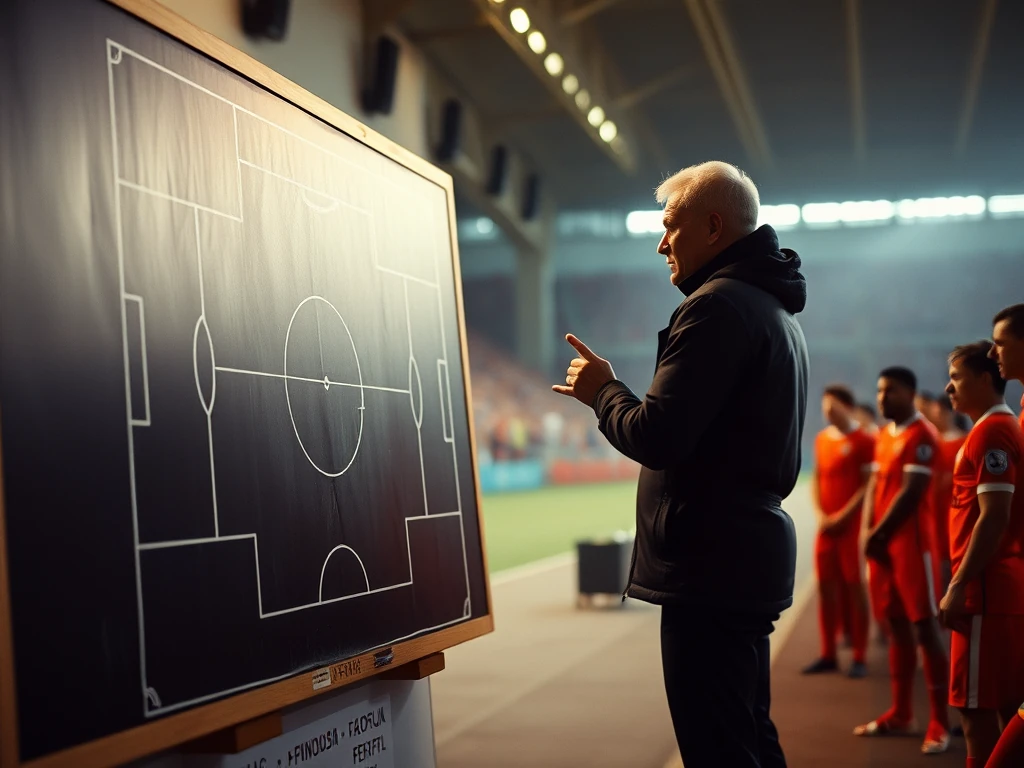
As the Three Lions prepare for the FIFA World Cup 2026, recent performances have highlighted both strengths and areas for growth within Thomas Tuchel's tactical framework. While the squad boasts an impressive array of talent, subtle adjustments could significantly enhance their effectiveness and adaptability against diverse opponents.
Current Form: Strengths and Weaknesses
In the latest matches, England showcased their attacking prowess, particularly through the dynamic interplay between the forward line and midfield. Players like Bukayo Saka and Phil Foden demonstrated their ability to exploit width and create chances. However, despite some dazzling moments, there have been concerns regarding consistency and defensive vulnerabilities that could be exploited by higher-caliber opposition.
Defensively, the integration of a more structured midfield is crucial. The current setup occasionally leaves the backline exposed during transitions, leading to counter-attacks that could prove costly in high-stakes matches. The partnership between central defenders has shown promise, but the lack of a cohesive shield in front of them at times invites unnecessary pressure.
Suggested Tactical Adjustments
1. Midfield Reinforcement
To solidify the defensive structure, Tuchel might consider deploying a double pivot in midfield. Pairing a more defensively-minded player, such as Declan Rice, alongside a ball-progressing midfielder like Jude Bellingham could strike a balance between defensive solidity and attacking fluidity. This setup would help protect the backline while allowing for swift transitions from defense to attack.
2. Fluid Front Three
While the current front line is capable of individual brilliance, enhancing their interchanging movements could create more space and opportunities. Encouraging the likes of Harry Kane, Saka, and Foden to rotate positions frequently can disrupt defensive lines and create mismatches. This tactical fluidity would not only increase goal-scoring opportunities but also alleviate pressure on the midfield to deliver precise passes.
3. Full-Back Involvement
England's full-backs play a crucial role in their attacking strategy. However, there have been instances where they have been too conservative, limiting width and crossing opportunities. Reinforcing the importance of overlapping runs and direct involvement in attacking plays could stretch opposing defenses and create space in central areas. The likes of Reece James and Luke Shaw need to be encouraged to push forward more aggressively while maintaining a clear understanding of their defensive responsibilities.
4. Set-Piece Strategy
As seen in many international tournaments, set-pieces can be game-changers. England should refine their set-piece routines to maximize aerial threats, especially with tall players in the squad. Incorporating various strategies, such as near-post flick-ons or deep deliveries to runners at the back post, could make them a formidable force during dead-ball situations.
Conclusion
As England embarks on their journey towards FIFA World Cup 2026, tactical refinements will be essential to maximize their potential. By addressing midfield solidity, encouraging attacking fluidity, enhancing full-back involvement, and optimizing set-piece strategies, the Three Lions can bolster their chances of success on the global stage. The time for these adjustments is now, as they look to transform promise into performance when it matters most.