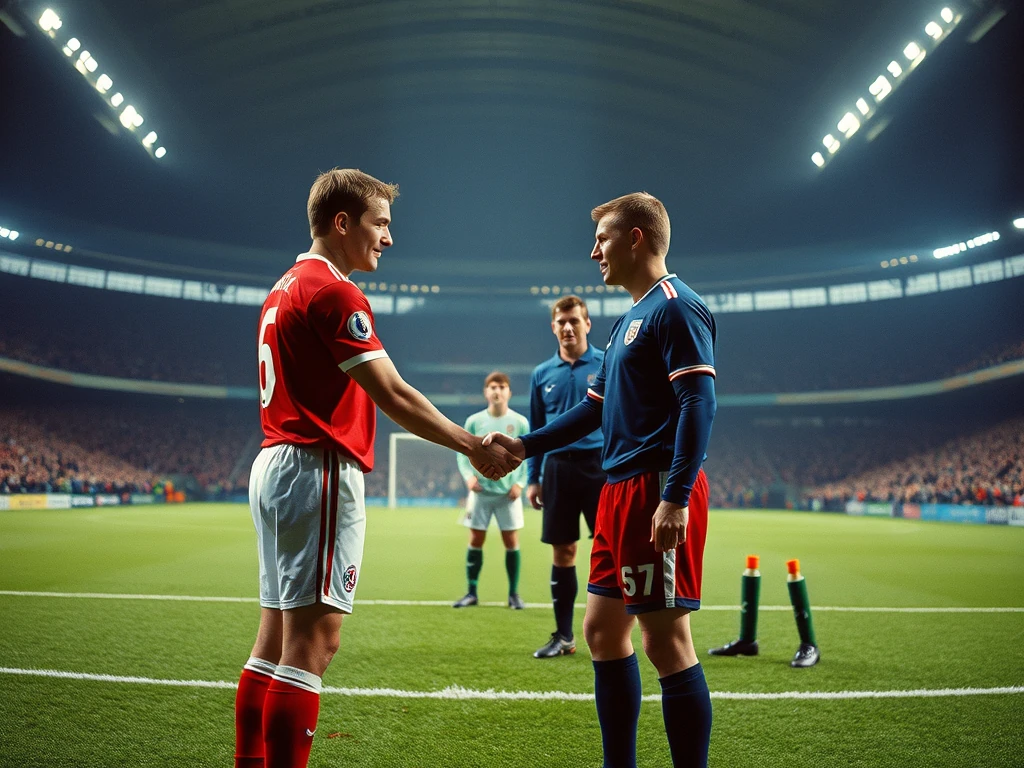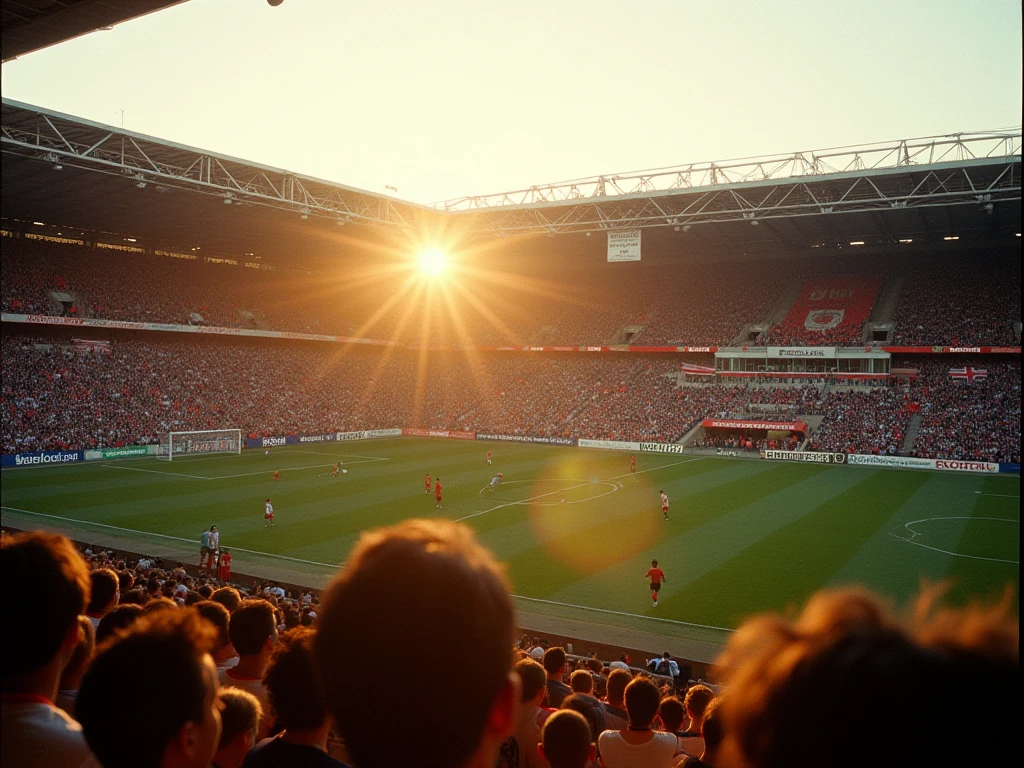
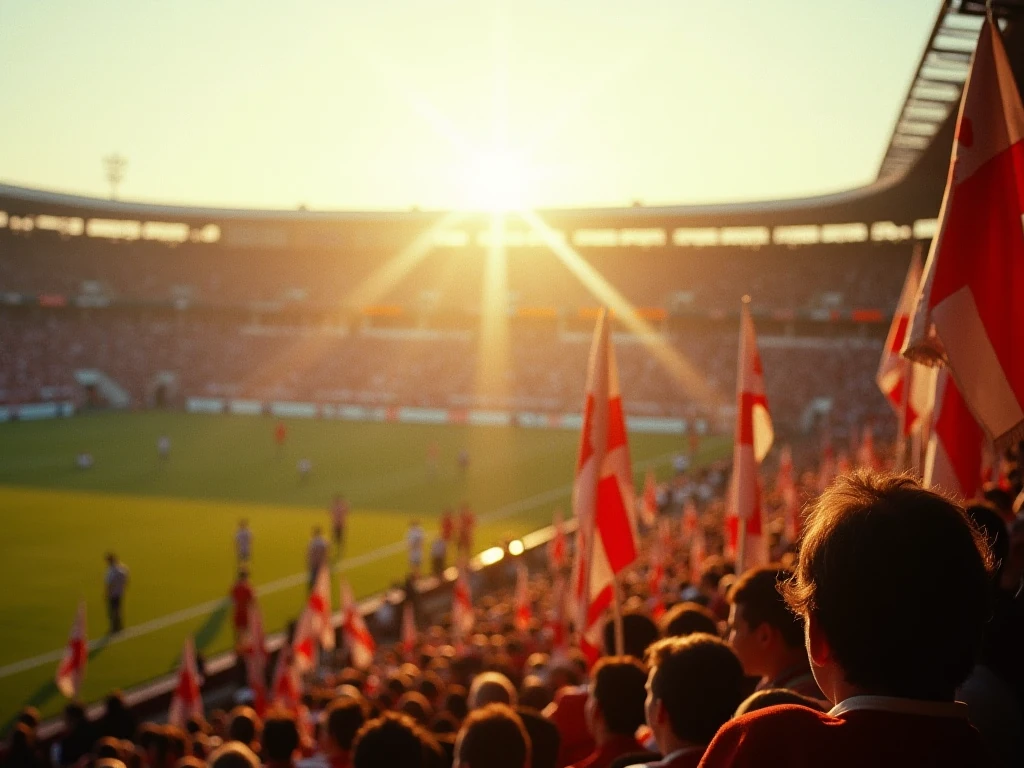
The year was 1966, and England was about to embark on a journey that would etch its name into the annals of football history. The stage was set at Wembley Stadium, a venue synonymous with footballing glory, as the Three Lions prepared to face West Germany in the final of the FIFA World Cup. The atmosphere was electric, a palpable blend of hope and anticipation coursing through the veins of a nation eager for success on home soil.
Under the stewardship of legendary manager Alf Ramsey, England entered the tournament with a sense of purpose and determination. The squad, brimming with talent, featured iconic players such as Bobby Moore, Geoff Hurst, and Martin Peters, all of whom would play pivotal roles in the quest for football's most coveted trophy. The group stages saw England navigate through some tough matches, but it was in the knockout rounds where they truly showed their mettle, defeating Argentina and then the United States.
As the final kicked off on July 30, 1966, the stakes couldn't have been higher. England took the lead through a goal from Martin Peters, but West Germany soon equalised, leading to one of the most dramatic finals in World Cup history. After a tense game filled with near misses and intense pressure, the moment arrived that would forever be etched in English folklore. Geoff Hurst, a name that resonates through generations, scored a controversial goal that many still debate to this day-was it a goal or a miss? Regardless, it stood, and Hurst would complete his hat-trick, securing England’s 4-2 victory after extra time.
This historic win not only crowned England as World Champions for the first time but also sparked a footballing revolution in the country. The 1966 World Cup victory was a catalyst that brought a nation together, igniting a passion for football that continues to this day. It fostered a sense of pride, and every subsequent generation of fans has felt the weight of that victory, looking back on it as both a benchmark and a reminder of what is possible.
More than just a trophy, the 1966 World Cup has become a symbol of English resilience and determination. The image of Bobby Moore lifting the Jules Rimet Trophy remains one of the most iconic snapshots in football history, embodying the dreams of millions. With the upcoming 2026 World Cup on the horizon, England's players and fans alike will undoubtedly draw inspiration from that legendary summer, hoping to replicate the success and unite the nation once more.
As the Three Lions prepare for their journey in 2026, they carry with them the weight of history, the dreams of their predecessors, and the unwavering support of a nation that has longed for another taste of glory. The legacy of 1966 is not merely a chapter in the past; it is a driving force that continues to inspire and challenge the current squad to reach for the stars. With every kick of the ball, the echoes of the past linger in the air, reminding us all of the heights that English football can achieve.