A Look Inside the England Squad Dynamics
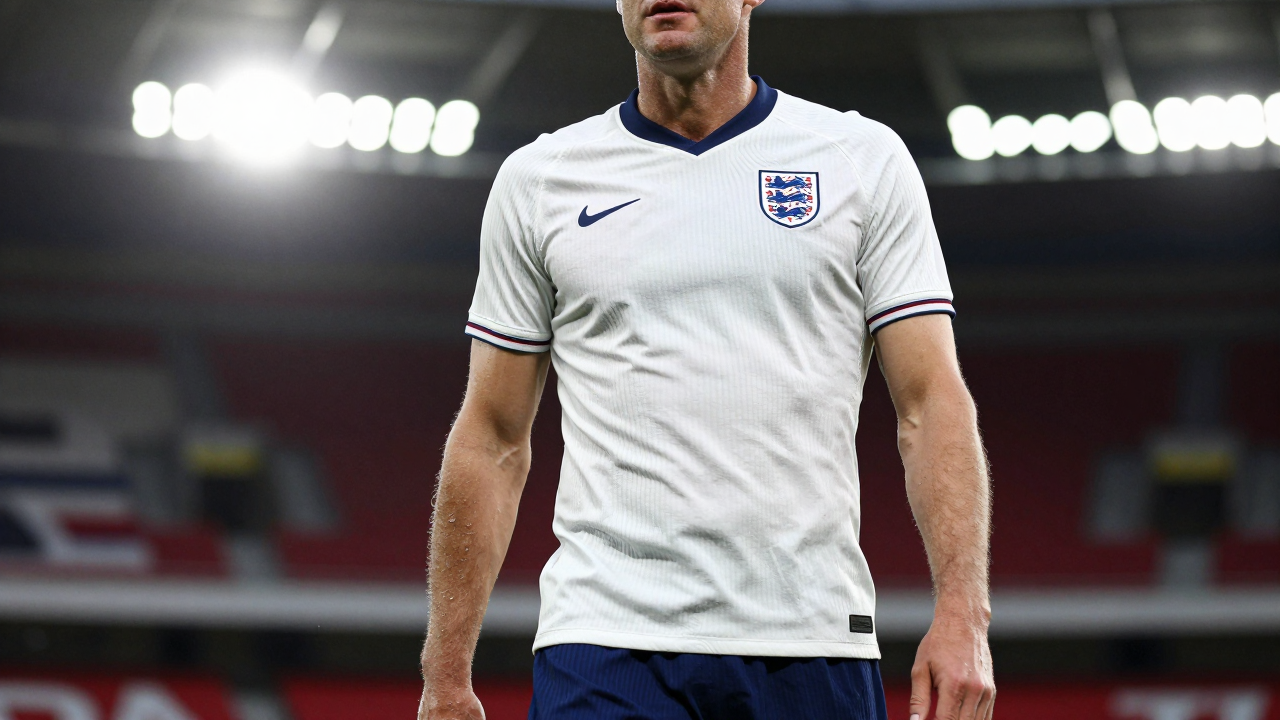
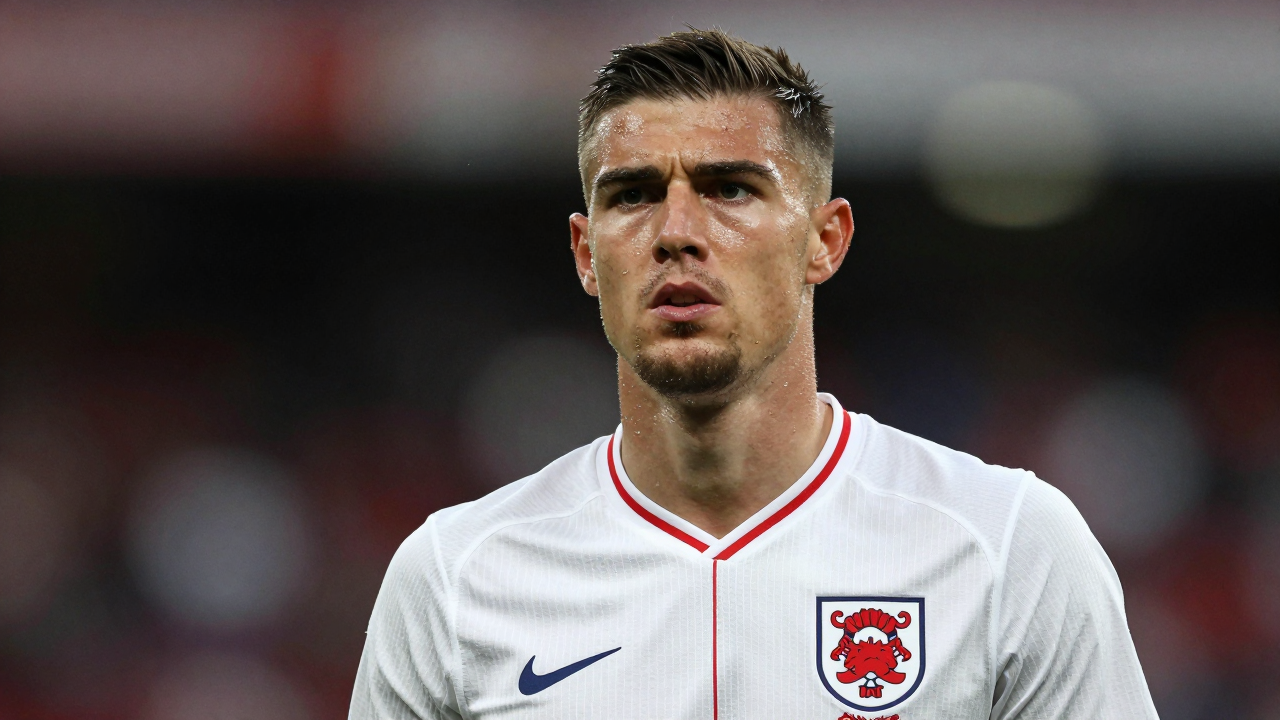
In a recent revelation, former England international Rio Ferdinand has shared his candid feelings about a teammate he once 'hated' during their time with the Three Lions. The comments come in the wake of a retrospective look at England's struggles on the international stage, particularly highlighting the 2010 FIFA World Cup in South Africa, where Ferdinand's frustrations boiled over. This insight into the mindset of England players during a tumultuous period raises questions about team cohesion and the impact of individual egos on collective performance.
Ferdinand's assertion that the team was filled with "egotistical losers" not only reflects his personal feelings but also serves as a critique of the broader culture that often surrounds elite football squads. It’s a stark reminder that talent alone does not guarantee success; the right mentality is equally crucial.
The Teammate Who Sparked Controversy
While Ferdinand did not name the specific player he disliked, the context suggests a period when many in the squad were grappling with their own expectations and pressures. During tournaments, especially the World Cup, individual brilliance can sometimes overshadow the need for teamwork. This phenomenon often leads to friction within the squad, as seen in other national teams as well.
Ferdinand's comments resonate with fans who have watched England teams struggle to live up to their potential over the years. The early exits from major tournaments have often been attributed to a lack of unity and a failure to perform as a cohesive unit. The psychological barriers faced by the players can sometimes be more daunting than the physical challenges on the pitch.
Context: The 2010 FIFA World Cup
The backdrop of Ferdinand's remarks is crucial. The 2010 FIFA World Cup was a particularly disappointing campaign for England, culminating in a dismal exit at the hands of Germany in the Round of 16. Despite entering the tournament with high hopes, the team's performance was marred by internal conflicts and a lack of synergy.
Key moments from the tournament included: - A lackluster 1-1 draw against the United States in their opening match. - A 4-1 defeat to Germany, which remains a painful memory for fans and players alike. - The overall disappointment of failing to reach the quarter-finals, a scenario that many believed was well within their grasp.
Ferdinand's comments about ego and personality clashes are not isolated incidents in football history. They highlight a recurring theme in sport: the need for players to set aside personal ambitions for the greater good of the team.
The Legacy of Ego in Football
Ego can be a double-edged sword in football. On one hand, confidence and self-belief are essential for success; on the other, unchecked ego can lead to division and failure. Ferdinand's experience is a testament to the latter, as he reflects on how individual aspirations can disrupt team dynamics.
In England’s case, the pressure to perform on the international stage often creates an environment where players are not only competing against other nations but also against each other for individual accolades. This can lead to a toxic atmosphere, where personal grudges and rivalries overshadow the collective goal of winning tournaments.
Key points to consider about the impact of egos include: - Performance Pressure: Players may feel compelled to prioritize personal statistics over team success. - Media Scrutiny: The intense media attention on players can exacerbate egos, making it difficult for them to remain grounded. - Leadership Challenges: Strong personalities can clash, making it hard to establish effective leadership within the squad.
Reflections on Team Culture
Ferdinand's comments underscore the importance of a positive team culture, particularly for a national side like England, which faces immense scrutiny and expectations. The need for harmony and mutual support among players can be the difference between triumph and failure.
In recent years, the England national team under manager Gareth Southgate has made significant strides in fostering a more inclusive and supportive environment. The success at the UEFA Euro 2020 (held in 2021) is a testament to the benefits of a cohesive team culture, where players rallied around each other, leading to a memorable run to the final.
This shift in approach highlights how addressing the issues of ego and individualism can pave the way for success. Players such as Harry Kane, Raheem Sterling, and Jordan Henderson have exemplified leadership qualities that encourage collaboration over competition.
Fan Reactions: The Backlash and Support
The football community's response to Ferdinand's revelations has been varied. Fans and pundits alike have expressed mixed feelings about the former defender's comments. Some appreciate his honesty, while others argue that such statements can be detrimental to team morale.
Common reactions include: - Support for Transparency: Many fans commend Ferdinand for shedding light on the internal struggles of the team, emphasizing the need for openness about past issues. - Concern for Current Players: Some worry that highlighting past tensions could affect the current squad, particularly as they prepare for the upcoming FIFA World Cup 2026. - Calls for Focus on Team Unity: Supporters are urging players to learn from history and prioritize unity as they aim for future success.
What's Next
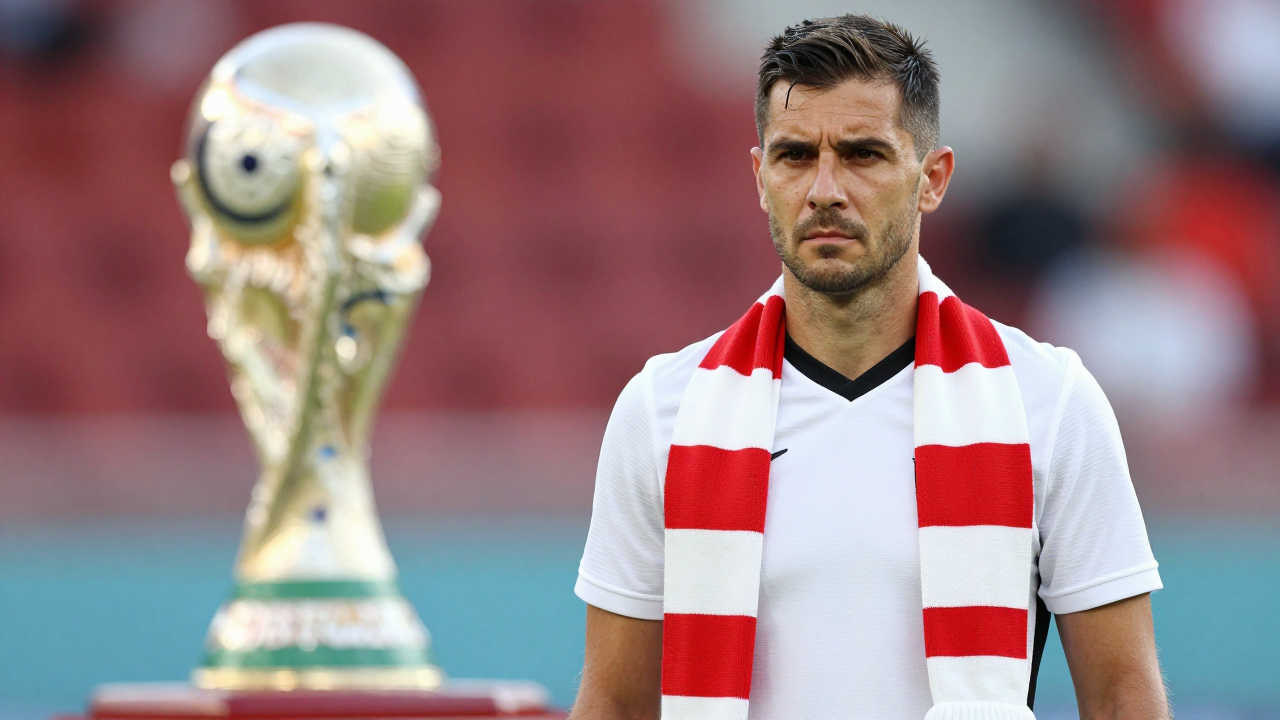
As England prepares for the next chapter in their football journey, the lessons from the past will undoubtedly play a crucial role in shaping the team's future. The upcoming FIFA World Cup 2026 presents a fresh opportunity for the current crop of players to build on the foundations laid during recent tournaments.
Ferdinand's reflections serve as a reminder of the importance of teamwork and unity in achieving success on the international stage. With a renewed focus on collaboration and a positive team culture, England fans can hope for a brighter future, one where the mistakes of the past are not repeated, and the ambitions of the team align with the dreams of its supporters.