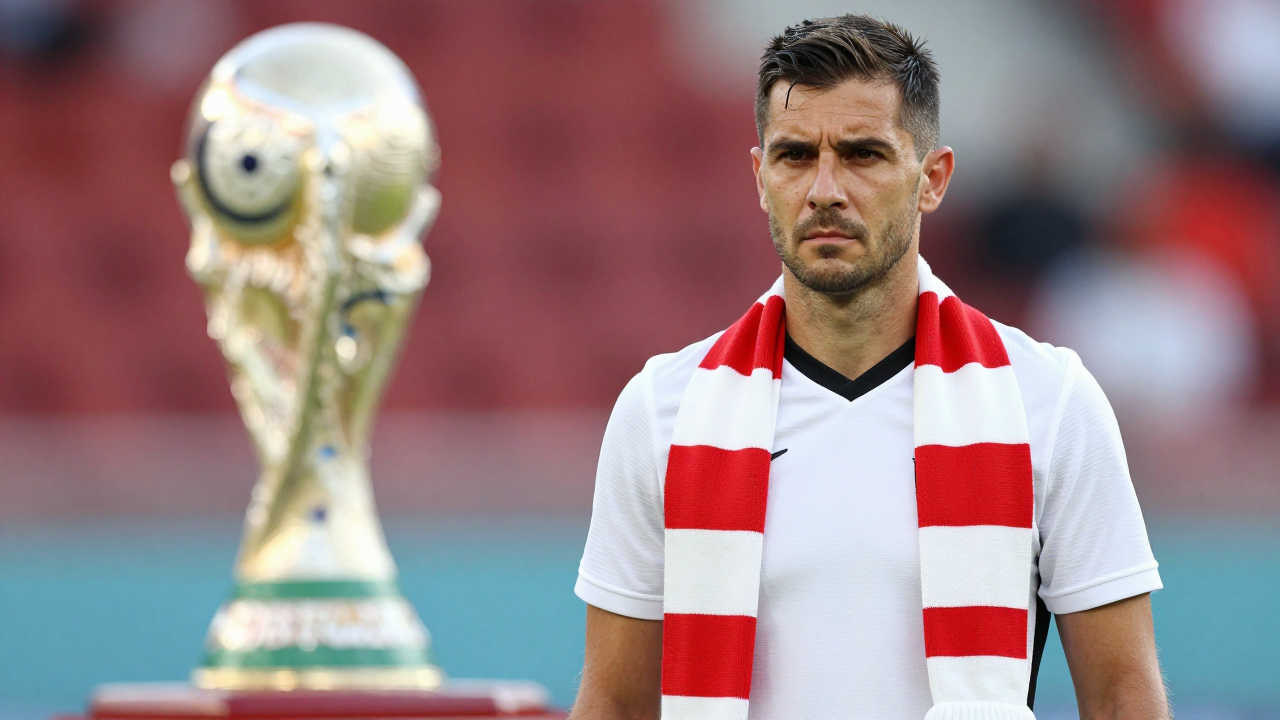

The 2004 UEFA European Championship in Portugal stands as a significant moment in the history of the England national team, often overshadowed by the heartbreak of past tournaments but nonetheless a vital touchstone for the Three Lions' identity. With a squad brimming with talent, including the likes of Frank Lampard, Steven Gerrard, and Wayne Rooney, England entered the competition with high expectations, fueled by a generation of players who had the potential to deliver silverware.
The tournament began with a promising start, as England secured a 2-0 victory over Croatia in their opening match, showcasing their attacking prowess. Rooney, then just 18 years old, emerged as a sensation, scoring two goals and firmly establishing himself as a player to watch. The energy and skill displayed by the young forward ignited hope among fans, who believed that this could be the year England finally broke their trophy drought.
However, the highs were soon met with the lows of football's unpredictability. A dramatic 3-2 victory over Portugal in the quarter-finals saw England take the lead twice, only to succumb to a late equalizer and eventually lose in a penalty shootout. The emotional rollercoaster of that match epitomized the frustration that often accompanies England's international campaigns, leaving fans to ponder what might have been.
Despite the premature exit, the 2004 European Championship was instrumental in the evolution of England’s footballing philosophy. The tournament saw the introduction of a more attacking style, with an emphasis on fluid football and the use of creative midfielders who could unlock opposing defenses. It also marked a moment of reckoning for the team, as the subsequent criticism and analysis laid the groundwork for future tactical adjustments.
Players from that squad would go on to have illustrious careers, both internationally and at club level, but the memories of Euro 2004 linger. It was a turning point not just for the individuals involved but for the national team’s supporters, who witnessed a blend of hope and despair that has become a hallmark of following the Three Lions.
As England gears up for the 2026 World Cup, reflecting on the lessons learned from 2004 is vital. The combination of youth and experience showcased during the tournament serves as a reminder of the importance of resilience. The journey of the Three Lions is often fraught with heartache, but moments like those in Portugal provide a foundation upon which future successes can be built.
The legacy of the Golden Generation continues to inspire current players, as they seek to capture the hearts of a nation yearning for international glory. With the World Cup on the horizon, England's past serves as both a cautionary tale and a source of motivation for the talented squad poised to take the field in 2026. The challenge remains: can they harness the spirit of 2004 and turn potential into triumph?