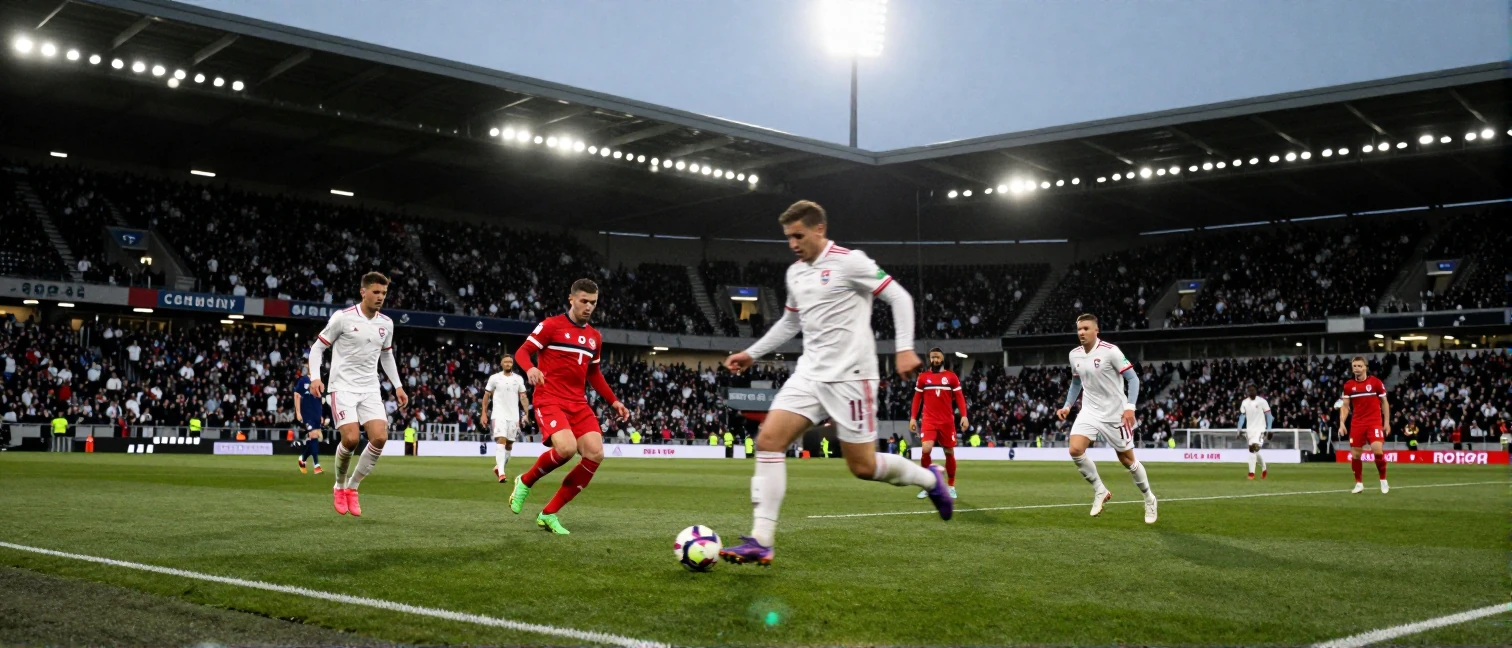

England sealed a dramatic 2‑1 victory over Norway in the World Cup quarter‑final on July 11, 2026, but the win was clouded by claims the ball brushed a spider‑cam wire before Jude Bellingham’s equaliser.
Norwegian midfielder Sander Berge argued the ball hit a spider‑cam cable during the build‑up to Bellingham’s goal, which came in first‑half stoppage time. Replays showed Norway keeper Ørjan Nyland’s goal‑kick passing close to the suspended wire before landing for Elliot Anderson, who fed Anthony Gordon and then the ball to Bellingham. The Norwegians swarmed referee Clement Turin, demanding a review. FIFA later posted that the ball’s sensor recorded no “heartbeat” spike, meaning no evidence of a wire contact.
Head coach Ståle Solbakken said the referee received no signal and therefore could not intervene. “The ball fell straight down, right in front of the bench, so it did touch it,” Solbakken claimed, noting many on the bench reacted instantly. Former England striker Wayne Rooney added that the ball seemed to deviate oddly. Despite the protest, the goal stood and England kept their lead.
The win maintains England’s flawless run - recent form (last 5): 5W‑0D‑0L - and pushes them into the semi‑finals where they will face Spain at home on September 26, 2026. The controversy highlights the growing influence of technology in high‑stakes matches and could prompt FIFA to review spider‑cam placement. For England, the incident adds a layer of drama but does not dent the momentum built from their last result: Norway 1‑2 England (2026‑07‑11).
England now turns its focus to preparing for Spain, a clash that promises tactical fireworks. Manager Gareth Southgate will likely fine‑tune set‑piece routines after the VAR‑cancelled Torbjørn Heggem header that was ruled out for an Erling Haaland foul on Elliot Anderson. The squad’s confidence is high, but the spider‑cam saga reminds them that every millimetre counts on the world stage.