England’s campaign in the 2026 World Cup ended with a 2‑1 semi‑final defeat to Argentina (2026-07-15), leaving the Three Lions to confront a looming striker vacuum as Harry Kane approaches his final tournament. With the forward set to turn 37 by the 2030 edition, the national side must chart a clear path forward.
Who will fill the void left by Kane?
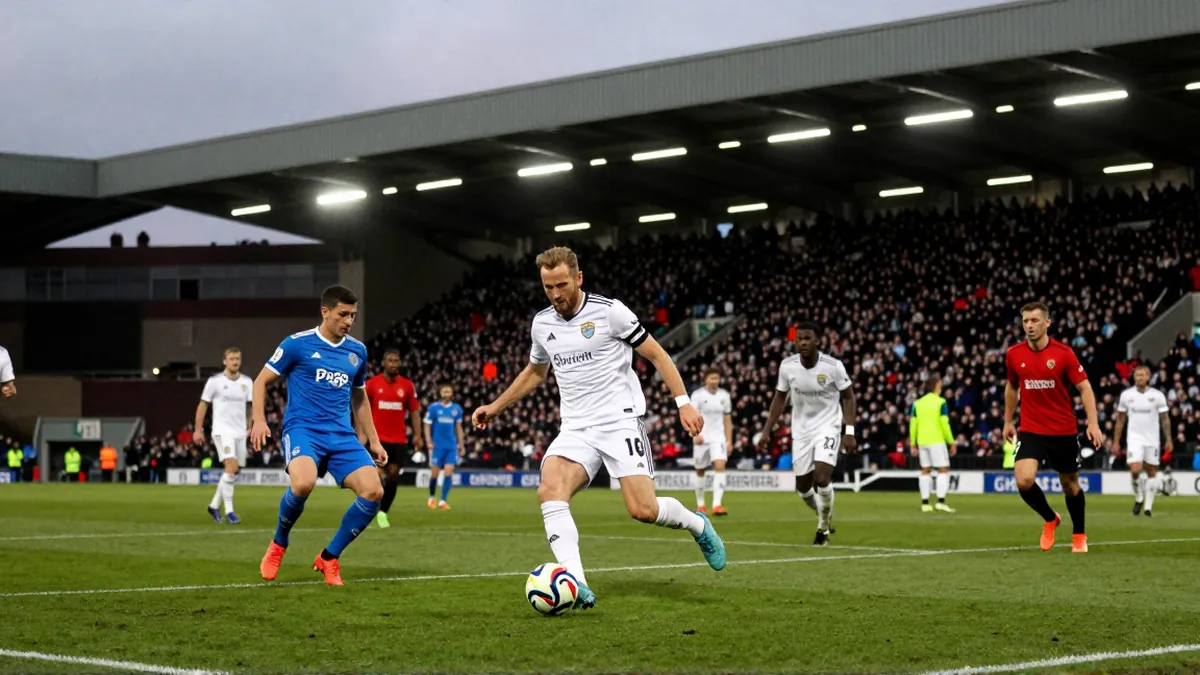
Thomas Tuchel has relied heavily on Kane, who scored six goals and partnered Jude Bellingham throughout the tournament. The next fixture – a bronze‑medal play‑off against France on 2026-07-18 – may be Kane’s last appearance in a World Cup shirt. Potential heirs include 23‑year‑old Liam Delap, who moved to Chelsea for £30 million but has only one league goal to his name, and seasoned forwards like Dominic Calvert‑Lewin and Danny Welbeck, both still featuring in the recent form of 4W‑0D‑1L (LWWWW).
Why does depth matter now?
England’s bench offered limited relief: Ollie Watkins logged just six minutes, while Ivan Toney appeared only in stoppage time against Argentina. Both are 30, and with R. James, J. Quansah and J. Henderson currently sidelined, the squad lacks fresh legs. A broader pool of forwards – Jarrod Bowen, who hit 10+ goals last season, and emerging talents from the Premier League – could ease the burden on any future focal point.
How will Tuchel adapt his tactics?
If Tuchel continues to favor a lone striker, England may revert to a false‑nine system, pulling the forward deep to create space for midfield runners. This approach could suit Bellingham’s play‑making abilities while allowing a younger striker to develop without the pressure of being the sole goal‑source. Tactical flexibility will be essential as the team prepares for the upcoming France clash and beyond.
What does the future hold for England’s attack?
The next few months will determine whether England can cultivate a new goal‑getter or rely on a collective scoring model. Delap’s progress at Chelsea, combined with the experience of Calvert‑Lewin and Welbeck, will shape the options Tuchel has at his disposal. As the World Cup cycle closes, the Three Lions must balance immediate results with long‑term planning to stay competitive on the global stage.